Choose a product series
3 categories
Choose hardware for the way it will be used.
A practical guide to the function, fit and project details that shape your selection.
Choose the hardware family
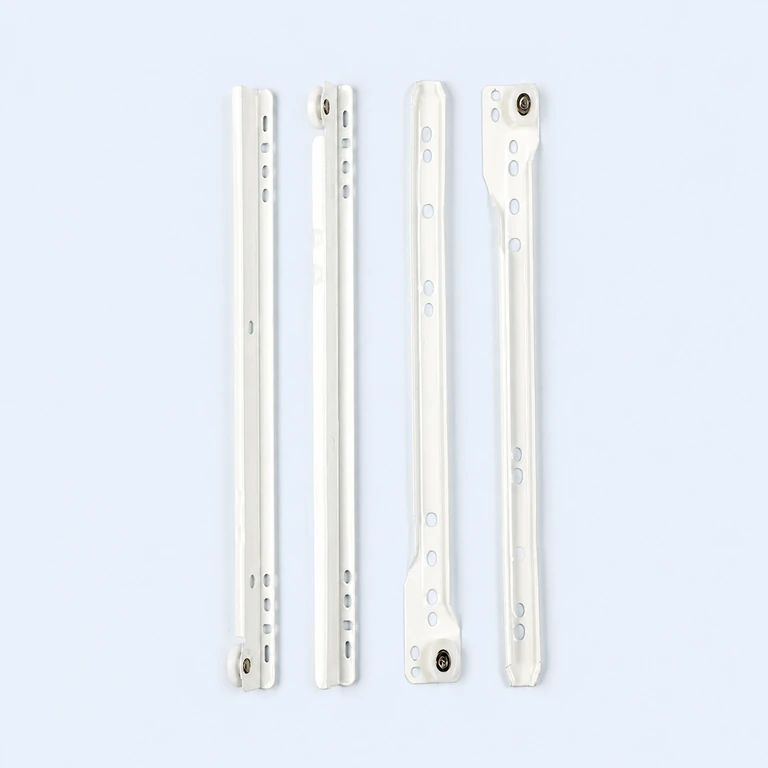
- Drawer slides
- Guide drawer movement. Start with the mounting space, required travel and opening action.
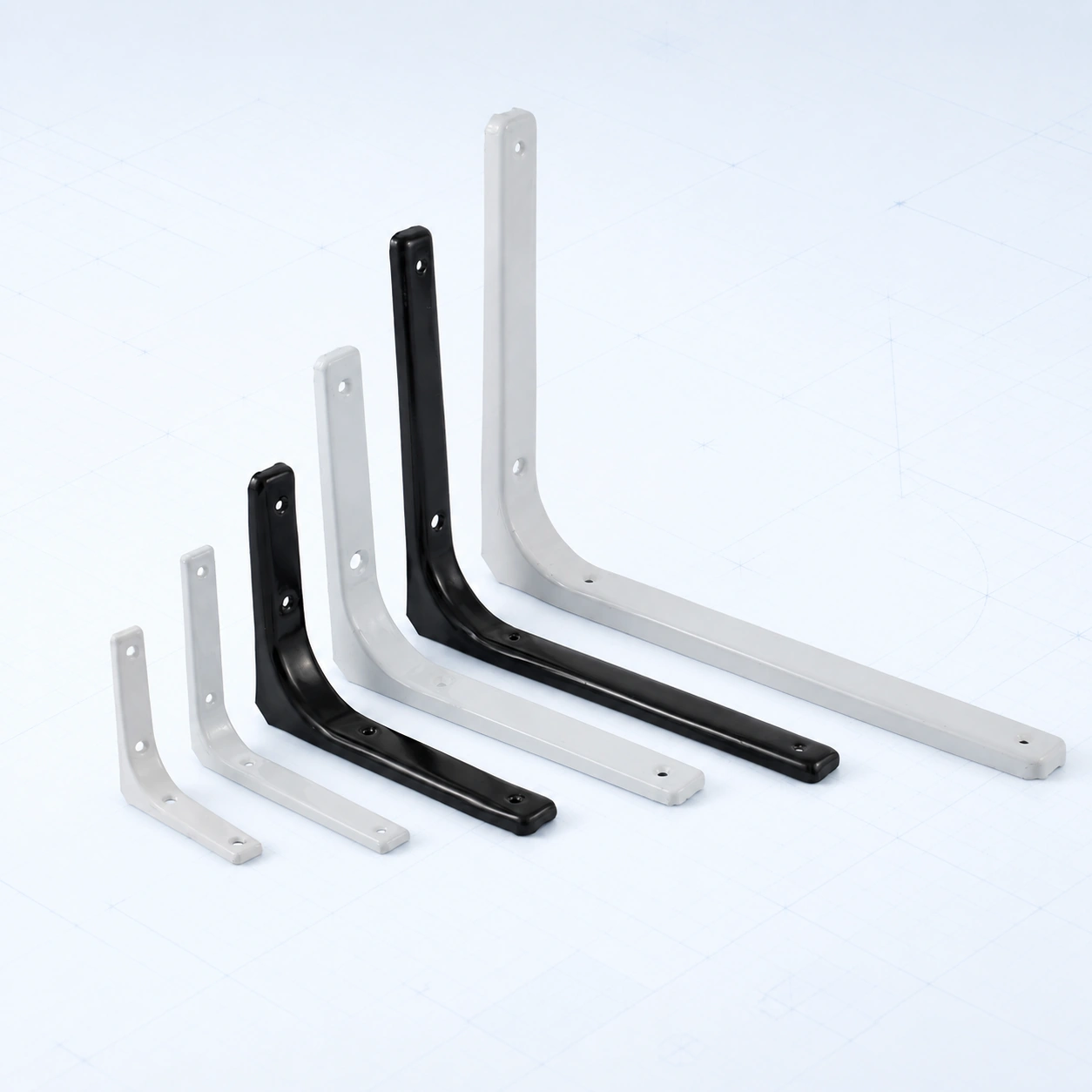
- Shelf brackets
- Support a shelf. Choose fixed, adjustable or folding support, then check the shelf and mounting conditions.
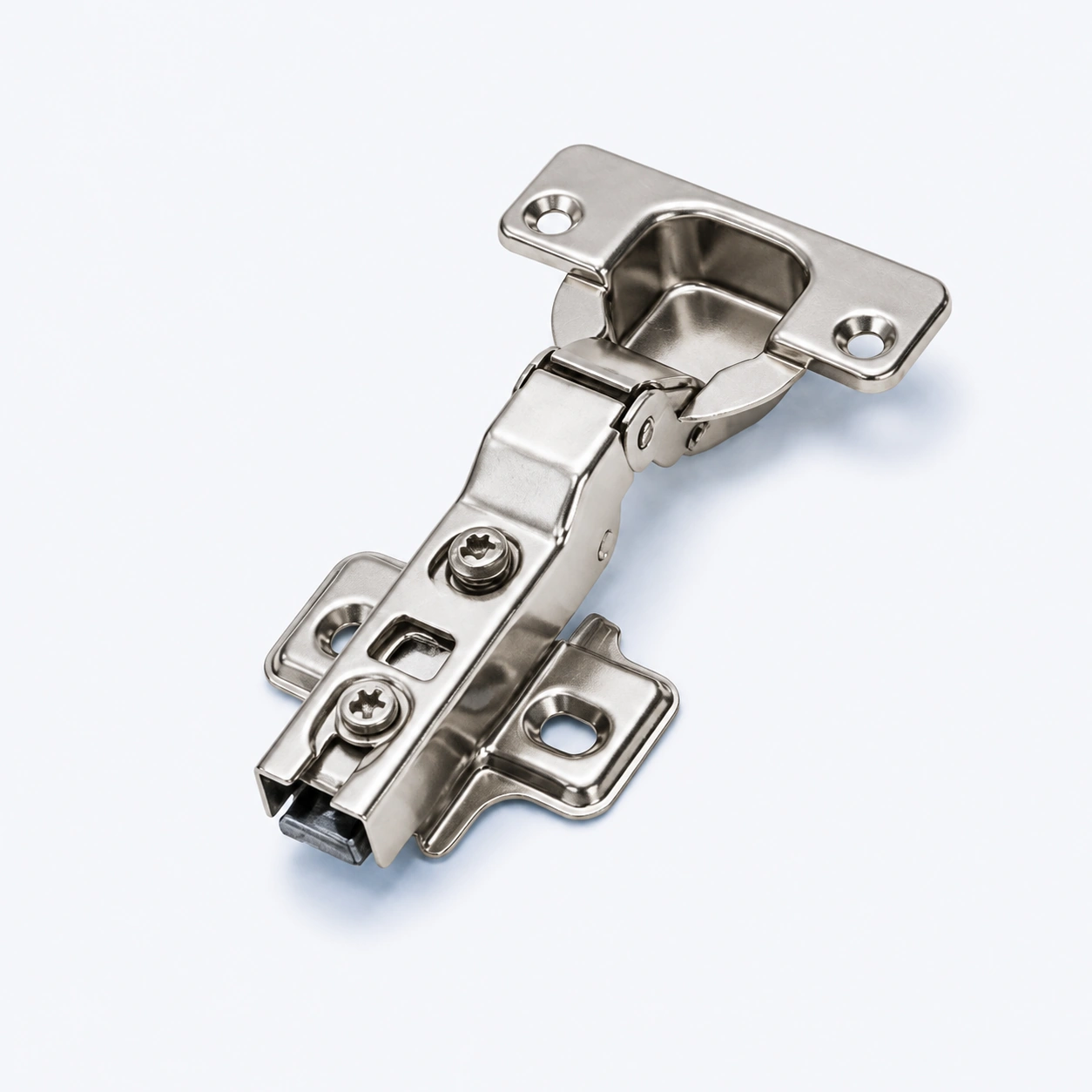
- Soft-close hinges
- Connect a cabinet door and control its closing action. Check the overlay, drilling pattern and opening clearance.
Define the movement
Soft-close controls the final part of closing. Push-to-open releases a drawer when its front is pressed. They are separate features; confirm the available combination for the selected product.
Slide travel determines how far a drawer can move out. Review it alongside the drawer length, mounting arrangement and intended everyday use.
Compare drawer slide seriesMeasure the installation
Provide the cabinet and door or drawer dimensions, hardware mounting positions and available clearance. For shelf brackets, include shelf depth, the mounting substrate and the proposed fixings.
Confirm fit against the agreed product drawing. Product images help explain appearance and construction; they do not replace an installation drawing or evidence of load suitability.
Discuss your installation requirementsQuestions before you order
- What should I include in an inquiry?
- The product or series, dimensions, quantity, finish, destination market and any drawing, sample reference or testing requirements.
- Can I replace a product by matching its appearance?
- Appearance alone is not enough. Compare mounting dimensions, hole positions, clearances, function and operating conditions.
- How should load or testing requirements be confirmed?
- Define the intended use and installation conditions, then agree on the required performance and supporting evidence for that product. Do not apply one model’s results to an entire series.